How to Create Alphabet and Number Coloring Pages
Creating alphabet and number coloring pages isn’t just about drawing letters and digits—it’s about building tools that help children connect symbols with meaning, sound, and shape. When you learn how to create alphabet and number coloring pages, you’re not just making printable sheets; you’re designing early literacy and numeracy supports that work in real classrooms, homeschool routines, therapy sessions, and even busy parent moments at the kitchen table.
Why This Matters Right Now
Back-to-school season is more than a calendar event—it’s a practical inflection point. Teachers are refreshing lesson plans. Homeschooling families are curating hands-on resources. Daycare providers need low-prep, high-engagement activities. And small business owners (like Etsy sellers or educational content creators) are updating seasonal product lines. In all these cases, custom-designed alphabet and number coloring pages offer flexibility that generic clipart or mass-produced worksheets can’t match.
For example: A kindergarten teacher in Austin prints oversized letter pages for morning circle time—students trace “B” while saying the /b/ sound, then color bees buzzing around it. A speech-language pathologist in Portland uses number pages with tactile elements (e.g., “3” made of dotted lines for finger tracing + three textured stars glued on) to support motor planning and number recognition. Neither needs stock graphics—they need intentional, adaptable designs.
Where and When People Actually Use These Pages
- In differentiated instruction: A third-grade teacher pulls out simplified number pages for students still mastering digit formation, while others use advanced versions with place-value visuals (e.g., “24” shown as two tens rods and four units).
- During screen-free transitions: After remote learning fatigue, parents use printed alphabet pages as calm-down tools—coloring “S” while whispering words that start with /s/, turning stress into sensory grounding.
- For multilingual learners: A bilingual preschool in Miami adds Spanish labels (“A como avión”) and culturally familiar icons (e.g., “5” surrounded by maracas, not just apples) to reinforce vocabulary and identity.
- In commercial settings: An indie illustrator sells themed bundles (space numbers, jungle alphabet) on Gumroad—each page includes clean vector outlines, consistent line weight, and subtle educational cues (e.g., arrows showing letter stroke order).
What Makes a Good Page—Beyond “Cute”
It’s easy to default to cartoonish fonts and cluttered borders—but effective how to create alphabet and number coloring pages guidance emphasizes function first. Consider these real-world priorities:
- Line clarity matters more than style. A 5-year-old gripping a thick crayon needs bold, unbroken outlines—not delicate sketch lines that vanish under color. Test printouts at 75% scale: if edges blur or gaps appear, simplify.
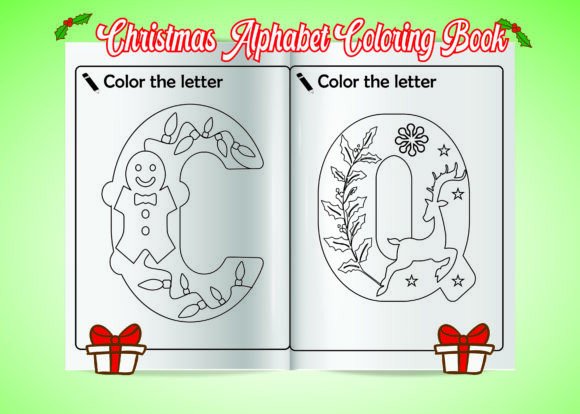
- Educational scaffolding hides in plain sight. The letter “O” doesn’t just sit alone—it might include a circular object (orange, owl, orbit) inside its curve. The number “7” could show seven dots arranged like a die face, supporting subitizing. These aren’t decorations; they’re silent teachers.
- White space isn’t wasted space. Busy backgrounds compete with focus. Leave margins open for cutting, laminating, or adding student-drawn extensions (“Draw one more apple next to the 4”).
Practical Starting Points—No Design Degree Required
You don’t need Adobe Illustrator to begin. Start where your workflow lives:
- Use free tools intentionally. Canva’s “printable coloring page” templates let you swap fonts, adjust stroke weight, and add icons—but avoid overloading layers. Stick to one visual anchor per letter (e.g., “K” + kite, not kite + king + kangaroo).
- Repurpose what you already have. Scan hand-drawn letters from a child’s workbook, clean them up in Photopea (free browser-based Photoshop alternative), and convert to bold black-and-white outlines.
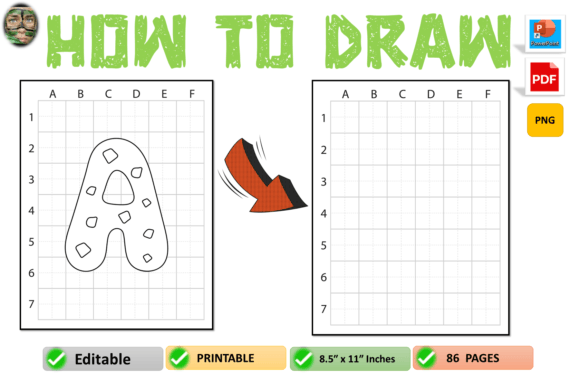
- Build a reusable system. Create a master grid: 1” x 1” cells for consistent sizing, a standard margin (0.5”), and a “safe zone” where no critical detail falls near the edge (prevents trimming errors when printing).
What to Think Through Before You Begin
Before diving into design, ask yourself three questions rooted in actual use:
- Who holds the crayon? Toddlers need chunky shapes and minimal interior details. First graders benefit from embedded phonics cues (“G” with a goose + /g/ sound bubble). Match complexity to fine-motor and cognitive readiness—not age alone.
- How will this be used? If pages go into a binder for repeated use, avoid tiny cut-out elements. If they’ll be projected for group coloring, ensure contrast works on classroom screens (test grayscale mode).
- What’s the next step after coloring? Design with extension in mind: leave room for writing practice (“Trace the ‘D’, then write two words that start with D”), or add a blank box for drawing (e.g., “Draw something that rhymes with ‘cat’ next to C”).
Real Outcomes—Not Just Output
When educators know how to create alphabet and number coloring pages, they stop hunting for “perfect” resources and start solving specific problems. A Montessori guide in Denver uses number pages with sandpaper texture overlays for tactile reinforcement. A freelance curriculum designer builds editable Google Slides versions so teachers can insert local photos (e.g., “8” surrounded by images of their school’s eight classrooms). A parent in Seattle prints double-sided pages—letter front, matching word search back—to stretch engagement without extra prep.
The payoff isn’t just prettier worksheets. It’s kids pausing mid-coloring to say, “This ‘M’ looks like mountains!” It’s a reluctant writer tracing “R” ten times because the rocket beside it feels like play, not pressure. It’s a small business owner seeing repeat customers because her “Back-to-School Bundle” includes editable name-tracing pages—practical, personal, and quietly powerful.
Keep It Simple, Keep It Useful
Start small. Pick three letters and three numbers. Sketch them on paper first—no tech, no pressure. Ask: Does this help a child *notice* something? Does it invite interaction beyond filling space? Does it hold up when photocopied on recycled paper?
That’s the core of how to create alphabet and number coloring pages: not perfection, but purpose. Not trend-chasing, but teaching. Not one-size-fits-all, but meeting real learners where they are—with crayons, curiosity, and the quiet confidence that comes from knowing exactly why each curve, corner, and connection exists.