Galactic School Days Doodle Patterns
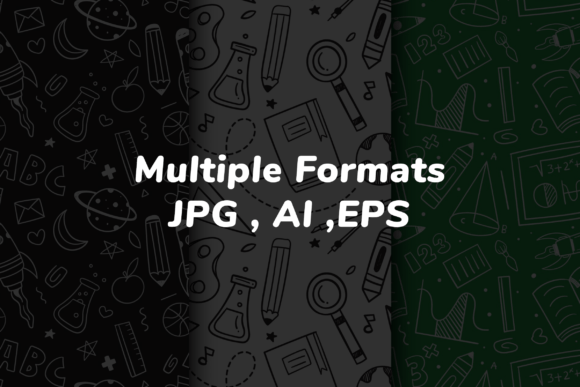
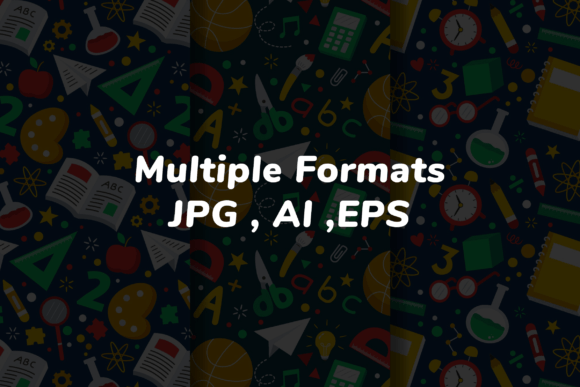
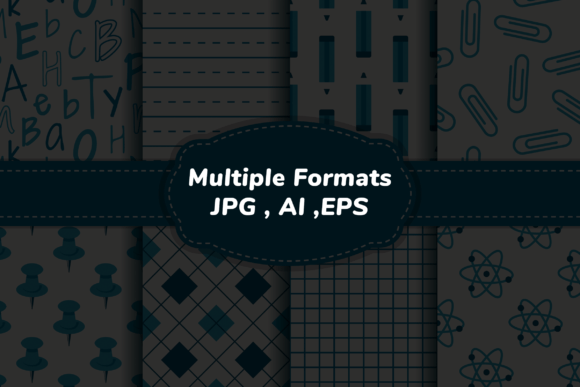
Galactic School Days Doodle Patterns isn’t a trend—it’s a design language built for intention. At its core, it’s a curated library of illustrated motifs: orbiting planets with chalkboard textures, geometric backpacks trailing comet dust, notebooks blooming with constellation-studded margins, and stylized classroom objects rendered in warm, approachable line work. Unlike generic back-to-school clipart or over-saturated seasonal vectors, these patterns carry narrative weight—playful but precise, nostalgic yet forward-looking. They’re designed not just to decorate, but to signal alignment: between learning and imagination, structure and spontaneity, education and emotional resonance.
Why Strategic Alignment Matters More Than Aesthetic Appeal
Choosing Galactic School Days Doodle Patterns isn’t about filling white space. It’s about reinforcing a decision architecture. When educators select classroom posters, small business owners brand supply kits, or freelance designers craft digital planners, the visual vocabulary they use shapes how users interpret purpose, tone, and trust. A kindergarten teacher using these patterns on welcome banners signals that curiosity is scaffolded—not suppressed. A curriculum publisher embedding them into lesson plan templates quietly communicates that pedagogy can be both rigorous and joyful. That’s not decoration. That’s semantic reinforcement.
This matters because attention is finite—and cognitive load is real. Patterns that feel cohesive, context-aware, and emotionally calibrated reduce friction in interpretation. Users don’t pause to decode whether a rocket ship icon means “science unit” or “reward sticker.” They absorb meaning instantly, freeing mental bandwidth for engagement, retention, or action. That efficiency compounds across touchpoints: printed handouts, LMS dashboards, email headers, merch tags, even Zoom backgrounds during parent-teacher conferences.
When to Reach for Galactic School Days Doodle Patterns—And When Not To
These patterns thrive where clarity meets warmth. Ideal use cases include:
- Onboarding materials for new students, staff, or families—especially in hybrid or community-based learning environments where tone sets psychological safety;
- Branded resource kits sold by edtech startups, tutoring collectives, or independent curriculum designers seeking visual distinction without sacrificing professionalism;
- Classroom environment design, from door signs and schedule boards to interactive anchor charts—where repetition of motif builds familiarity and reduces transition anxiety;
- Digital tools like printable planners, habit trackers, or student reflection journals where tactile-inspired line work softens screen fatigue;
- Marketing assets for back-to-school campaigns targeting caregivers who value creativity *and* competence—not just “fun.”
They’re less effective—or even counterproductive—when used without anchoring intent. Slapping a doodle of a smiling pencil onto a compliance-heavy policy document creates dissonance. Using the same pattern across every slide in a board meeting dilutes its meaning and risks visual fatigue. And applying them to high-stakes assessment materials may unintentionally undermine perceived rigor. Context isn’t optional; it’s the first filter.
Planning with Purpose: Three Practical Anchors
Before opening the pattern library, ask three questions:
- What outcome do I want this asset to support? Is it orientation? Engagement? Brand recall? Behavioral nudge? If you can’t name the desired shift—however subtle—you’re designing for aesthetics, not impact.
- Who interprets this before they interact with it? A 7-year-old scanning a bulletin board reads differently than a district administrator reviewing vendor samples. Adjust scale, contrast, and motif complexity accordingly. Simpler orbits and bold outlines land faster with younger eyes; layered textures and subtle gradients reward closer adult attention.
- Where does this live in a larger ecosystem? Does it echo colors or rhythm from your logo? Does it complement existing typography? Does it avoid clashing with accessibility standards (e.g., sufficient contrast against background)? Consistency isn’t about sameness—it’s about coherence across time and touchpoint.
One practical tip: Start small. Test one pattern variant—say, the “Starry Schedule Grid”—on a single weekly planner before scaling to an entire classroom set. Track usage notes: Did students reference it independently? Did parents comment on its tone? Did it reduce repeated verbal instructions? Real-world feedback trumps theoretical appeal every time.
Risks of Random Use—and How to Mitigate Them
The biggest risk isn’t poor execution—it’s misalignment. Using Galactic School Days Doodle Patterns without clear goals leads to visual noise, not narrative. You might unintentionally signal unseriousness in contexts demanding authority (e.g., school safety protocols), or overwhelm learners with excessive detail when simplicity would serve better (e.g., multistep lab instructions).
Another underdiscussed risk is homogenization. Because these patterns are distinctive, they can become a crutch—especially for creators building portfolios or launching product lines. Overreliance flattens voice. A math tutor’s branding shouldn’t look identical to a Montessori preschool’s, even if both use the same galaxy motif. Differentiation comes from how the pattern is edited, cropped, layered, or paired—not just selected.
Mitigation starts with editing discipline. Rotate variants intentionally: use the “Comet Checklist” for goal-setting tools, the “Orbiting Subjects” layout for interdisciplinary units, and reserve the “Chalkboard Planet” watermark for foundational documents. Vary density—full-bleed patterns for immersive environments, subtle repeats for professional documents, isolated icons for functional cues. Let function guide form—not the other way around.
Long-Term Value: Beyond Back-to-School Seasonality
Galactic School Days Doodle Patterns gain strategic value over time—not as seasonal decor, but as evolving visual infrastructure. Think of them as modular assets that grow with your work. A homeschooling parent might begin with labeled subject icons on a weekly chart, then adapt the same motifs into custom flashcards, then repurpose them into a child-led “design your own planet” project. An educator might start with printed behavior trackers, later animate select elements for digital storytelling, and eventually license simplified versions for student co-creation workshops.
That longevity hinges on flexibility—not just in file formats (SVG, PNG, PDF), but in conceptual scaffolding. The patterns aren’t locked to August. They support growth mindset visuals in January (“New Orbit, New Goals”), reflection frameworks in June (“What Did You Discover This Year?”), and transition tools in July (“Map Your Next Journey”). Their strength lies in symbolic openness: planets represent systems, orbits suggest routines, constellations imply connections—all concepts that transcend calendar dates.
Decision-Making Guidance for Creators and Leaders
If you’re evaluating whether Galactic School Days Doodle Patterns fits your needs, treat it like any operational tool: assess fit, not flash. Ask yourself:
- Does this help me communicate what matters—without adding explanation?
- Will it make a repeated task (e.g., updating schedules, preparing handouts) feel more intentional—not just faster?
- Can I adapt it meaningfully across at least two distinct audiences or formats within the next six months?
- Does it leave room for my voice, expertise, or values to come through—or does it dominate them?
For teams, introduce these patterns as part of a broader visual strategy session—not as a standalone download. Map current assets first: Where do users currently experience confusion, delay, or disengagement? Where does your brand feel inconsistent or emotionally flat? Then test whether a specific Galactic School Days Doodle Pattern variant resolves one of those gaps. Measure what changes—not just downloads or likes, but time saved, questions reduced, or participation increased.
Ultimately, Galactic School Days Doodle Patterns succeed not because they’re charming, but because they’re consequential. They turn passive observation into active orientation. They transform administrative overhead into relational opportunity. And they remind us—creators, educators, builders—that how we frame learning, planning, and growth matters as much as what we teach, sell, or ship. Choose deliberately. Edit thoughtfully. Anchor always to outcome.